When anodised profiles come out streaky, the first suspect is usually the die. In most cases the cause sits further upstream, in the cast billet. For engineers and buyers, understanding billet homogenization and anodizing quality is the fastest way to stop chasing a surface defect in the wrong place.
Why Most Anodizing Defects Are Billet Defects
Anodising does not create defects; it reveals them. The oxide layer grows evenly only where the metal beneath it is even. Segregation, intermetallic particles and gas porosity left in the billet from casting survive extrusion and etch at rates different from the surrounding metal. The finish then looks mottled, banded or streaked even though the press and the anodising line ran correctly.
What Homogenization Actually Does to the Billet
After casting, a billet is soaked at elevated temperature for hours and then cooled at a controlled rate. Homogenisation dissolves segregated phases, breaks up brittle networks at the grain boundaries and evens out the distribution of magnesium and silicon. A properly homogenised 6063 billet extrudes at lower pressure, holds a better surface and responds predictably to anodising.
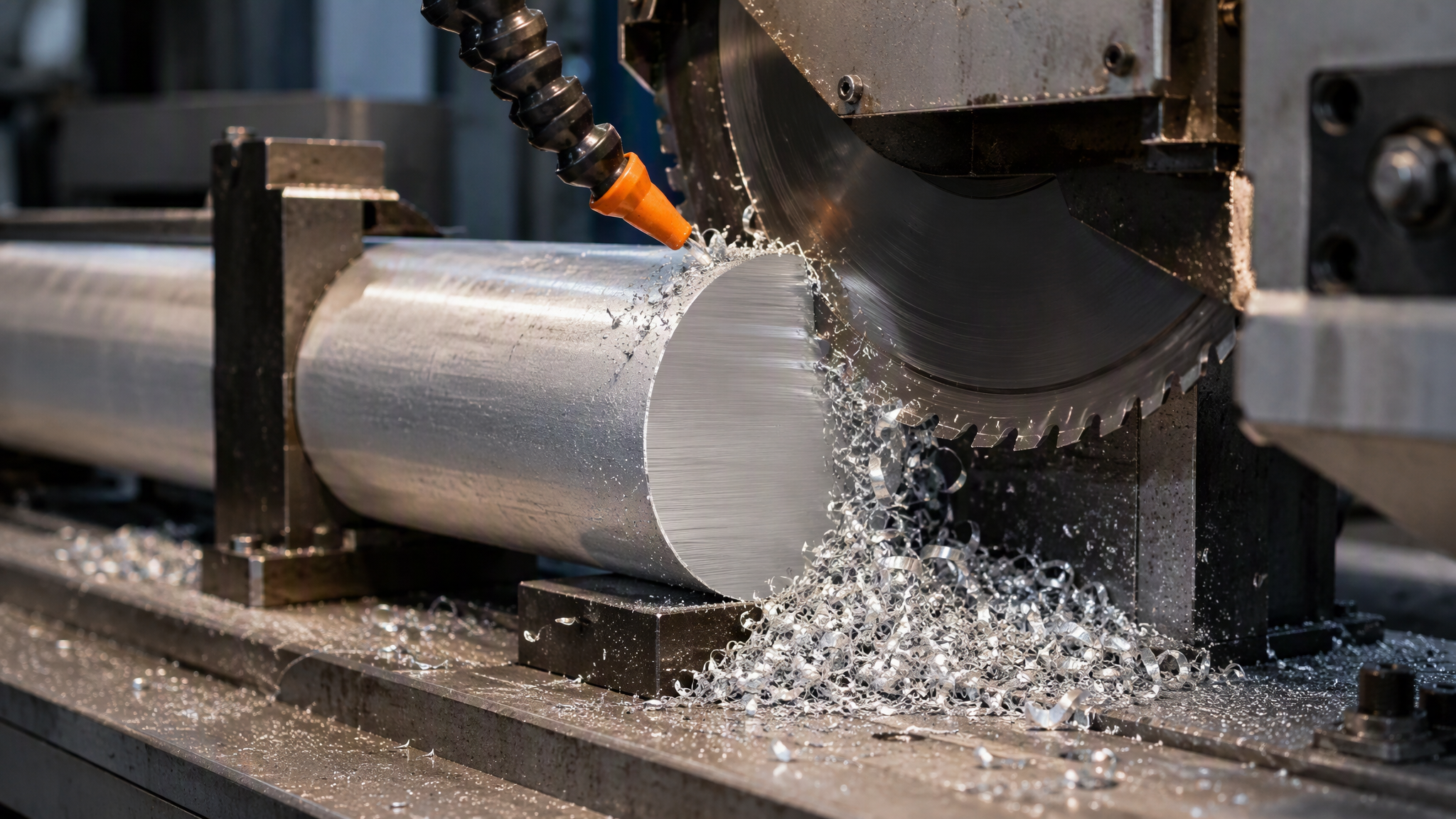
How a Poor Billet Shows Up After Anodizing
Four symptoms point upstream. Streaks along the extrusion direction usually follow segregation bands. Dark or bright edge bands trace back to a cold or uneven billet. Blistering and pitting after etching indicate gas porosity or inclusions. Colour variation between batches run with identical anodising parameters is the classic sign of an uncontrolled homogenisation cycle.
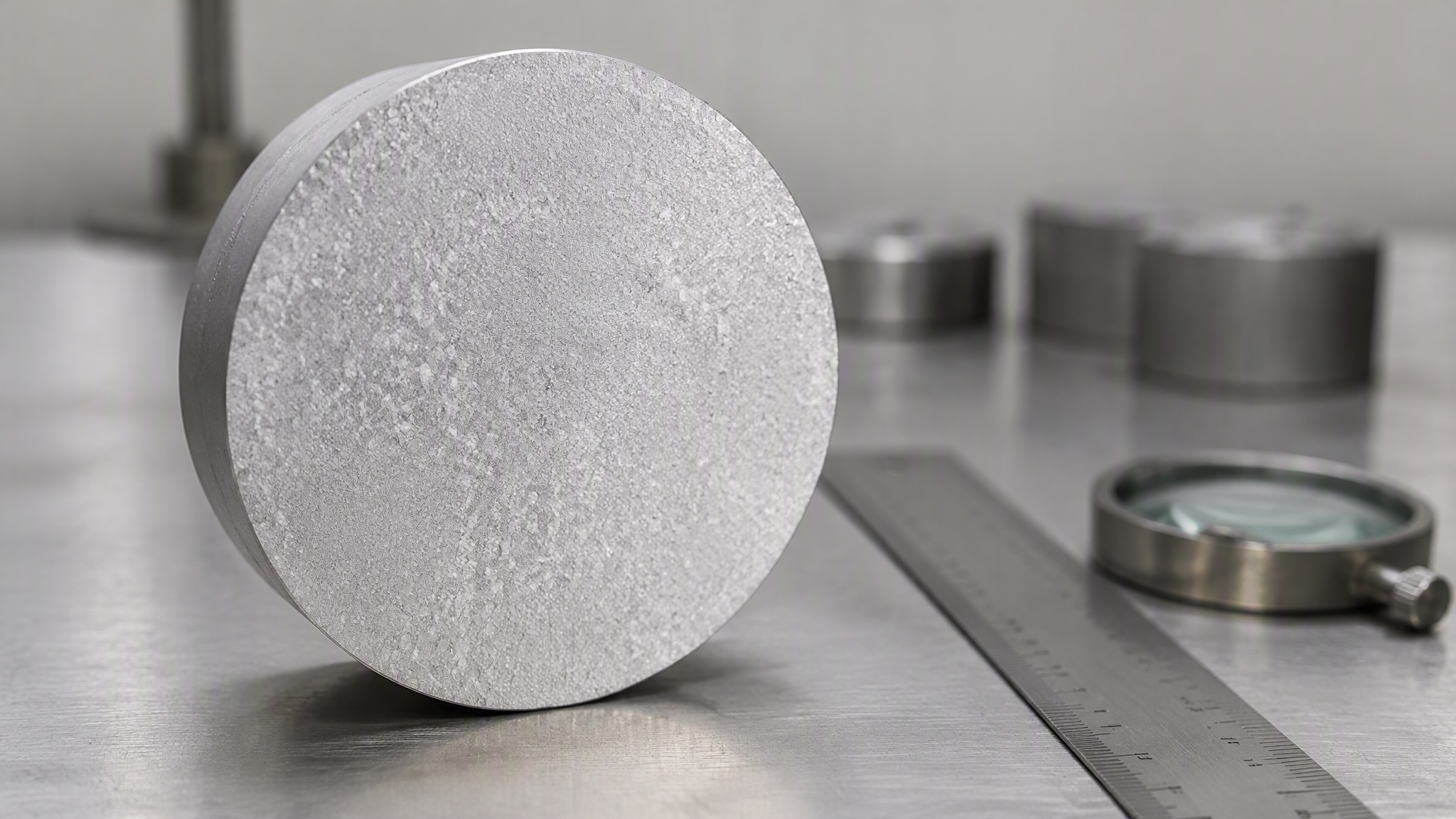
What to Ask Your Extruder Before You Blame the Die
Ask three questions in writing. What is the source and batch number of the billet? Which homogenisation cycle applies, and is it recorded per batch? What porosity limit applies, and how is it verified? A supplier who answers with numbers rather than reassurance can usually solve a surface problem without touching the die.
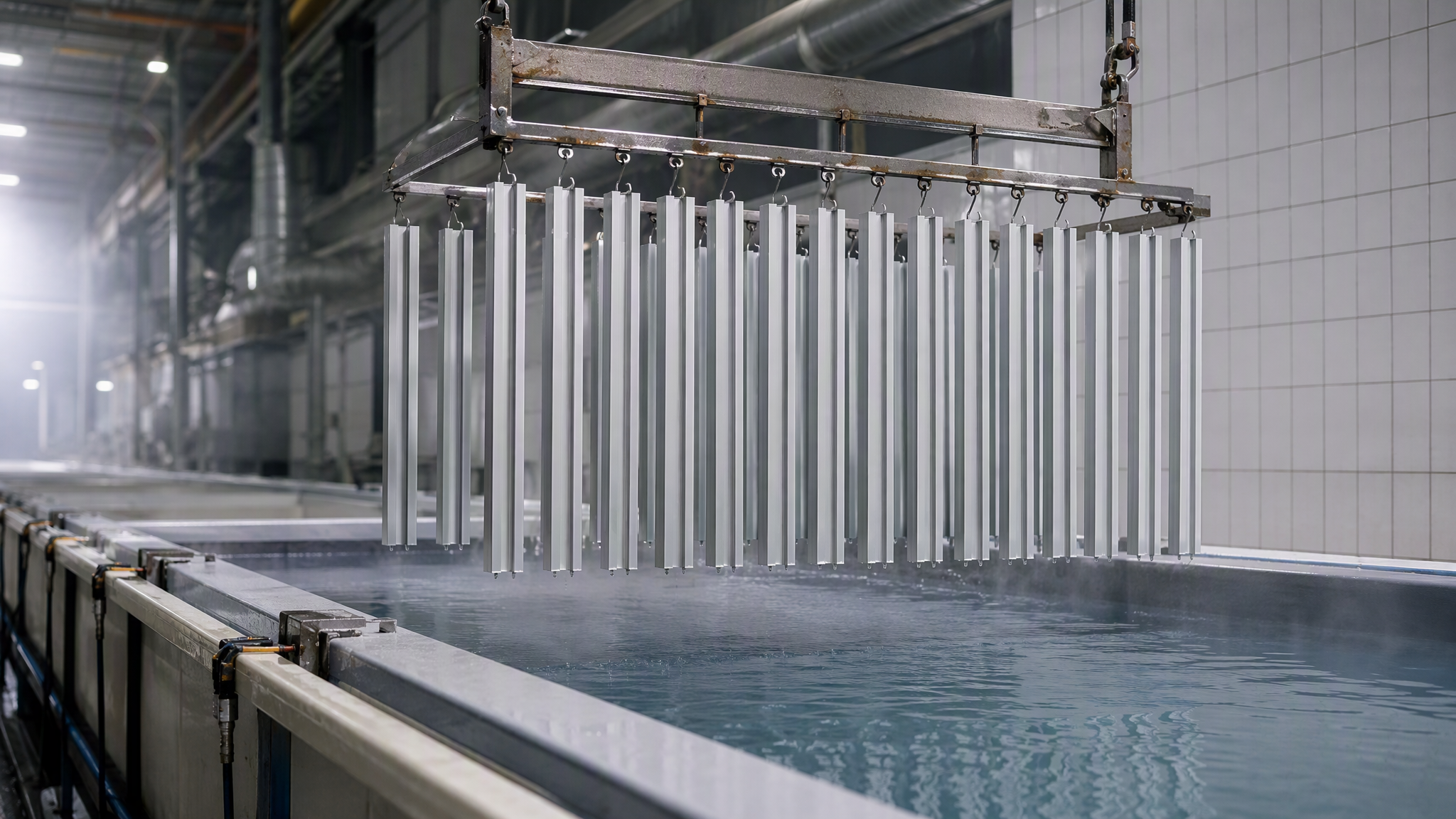
Putting Billet Quality Into Your Purchase Specification
Once billet quality is on the drawing, it stops being a variable. State the alloy and temper as usual, then add the billet requirement: homogenised billet with a recorded cycle, a defined porosity limit and a macrostructure sample on new batches. Add a salt spray or etch test to first-article approval so appearance is verified rather than assumed. It is the cheapest quality control available, because it happens before the die is cut.
Email info@sikenalshop.com | WhatsApp +86 137 8080 0864 | sikenalshop.com